
Ride-height modifications break the rule because a diffuser’s behavior depends on the space and flow it is fed. Lowering the vehicle reduces underbody volume and can choke the inlet, while lifting it or adding uneven cargo weight can enlarge and destabilize the wake the diffuser is meant to manage. In either case, a part that appears neutral or beneficial on a stock-height Passport may produce the opposite result on a modified one, so a coastdown result does not transfer across configurations.
Towing and roof-box use break the rule for a different reason: they change the dominant source of drag. When a trailer or roof-mounted box is attached, the added wake and frontal area overwhelm small underbody changes, and the comparison you care about is no longer stock versus diffuser but loaded versus loaded. A valid test for this purchase decision must isolate the diffuser by returning the vehicle to its unloaded, stock-exterior state.
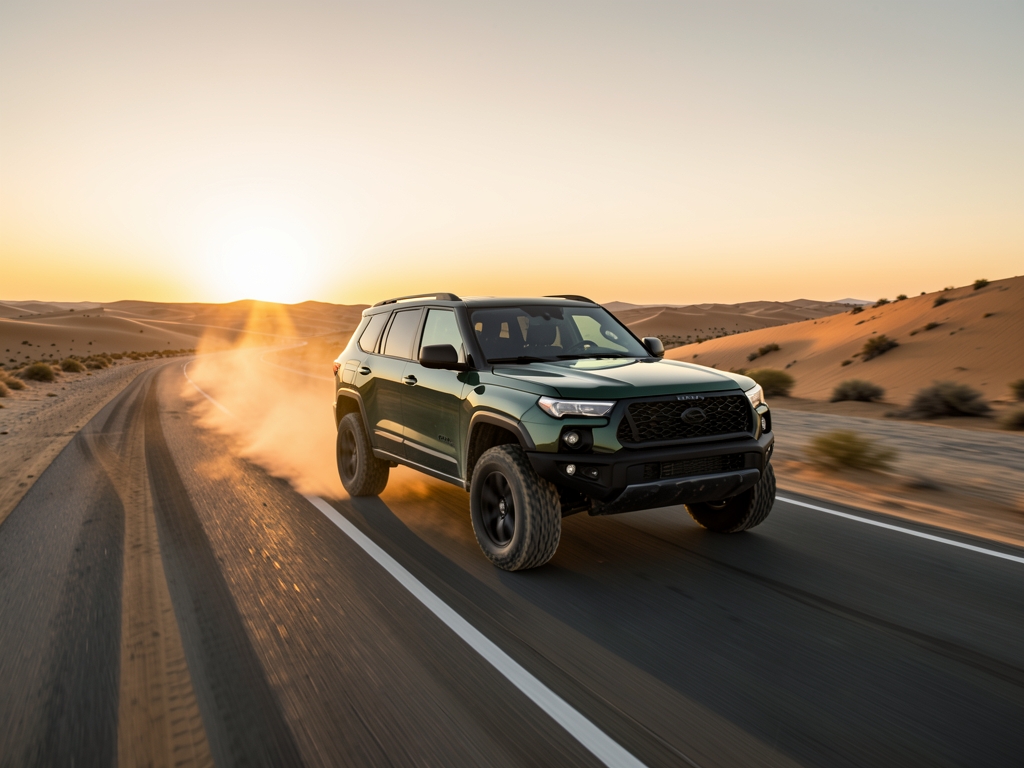
The one-day coastdown test
Use a controlled same-day, same-road coastdown comparison to decide whether an aftermarket diffuser reproduces a measurable drag change on your own 2026 Honda Passport. Treat it as a repeatable comparison, not a lab certification: the goal is a result you can defend before you keep or return the part.
| Checkpoint | Setup | Procedure | Pass rule |
|---|---|---|---|
| 1 — Baseline | Same 2-mile flat stretch, same direction; tires at door-placard pressure; ambient temperature within ±2 °F of the installed run. | Stabilize at 65 mph, then log 5 coastdown runs from 70 to 55 mph with a GPS-based timing app. Record each run time and calculate the mean. | All 5 runs completed with matched start/end speeds and no braking, steering corrections, or traffic interference. |
| 2 — Installed | Diffuser installed; repeat the identical route, direction, tire pressure, and logging method within 4 hours of baseline to keep wind and temperature comparable. | Run the same 5 coastdowns from 70 to 55 mph and calculate the mean time. | The diffuser passes the vendor claim only if mean coastdown time improves by ≥1.5%, the approximate time sensitivity to a 0.015 Cd change at 65 mph (method: aerodynamic drag is a meaningful share of total road load at highway speed, so a small drag reduction lengthens coastdown time). |
| 3 — Decision | Keep your raw run times, GPS trace, tire pressure, ambient temperature, wind notes, and vehicle configuration (windows, cargo, HVAC setting). | Compare baseline and installed means, then inspect run-to-run spread. If the spread overlaps heavily, repeat the full test on another matched day before deciding. | Keep the diffuser only when the ≥1.5% improvement repeats under matched conditions; if the result is smaller, inconsistent, or confounded by wind or traffic, treat the claim as unverified on your vehicle. |
Run both checkpoints with the same driver, the same fuel level range, and the same vehicle state. Close windows, set HVAC consistently, remove loose cargo, and avoid drafting other vehicles. A single fast run is noise; the worksheet relies on repeated runs and a mean so you can separate a real change from normal variation.
Log the test immediately after each run rather than from memory. If you cannot hold the temperature and wind window, stop and reschedule: a mismatched comparison can produce a false pass or a false fail. The checkpoint result is your purchase decision tool, so preserve the data alongside your receipt and installation photos.
Decision rules for the Passport owner
If you drive under 40,000 highway miles per year and the diffuser costs over $400, stay stock. At that mileage and price point, the fuel savings required to recover the purchase cannot close under realistic highway conditions. This rule applies to the part price alone; if installation, paint, or hardware adds cost, the case for staying stock becomes stronger.
If the vendor publishes third-party CFD or wind-tunnel data for the 2026 Honda Passport specifically, re-run your coastdown test and buy only on a measured ≥1.5% coastdown improvement. Generic SUV simulations or tests on a different model year do not validate performance on your vehicle. Accept the data as a reason to test, not a reason to buy, and let your own measured result make the final call.
If your Passport is lowered, lifted, or regularly tows or carries a roof box, treat the diffuser’s claimed benefit as void and stay stock until you re-test in that configuration. Changes to ride height, trailer wake, or rooftop cargo alter the airflow the diffuser is meant to manage, so a result measured on a stock vehicle does not transfer to a modified one.
To make your coastdown comparison valid, control the variables you can: set tire pressures to the same cold specification, match fuel level, test in both directions on the same flat road segment, and avoid gusty wind or wet pavement. Record multiple runs in each configuration and compare the averaged results. If the spread between runs is larger than the difference between stock and installed, the test is inconclusive and you should not buy based on that data.
What to do next
| Step | Action | Why it matters |
|---|---|---|
| 1 | Plan a same-day, same-road coastdown test on your own 2026 Honda Passport at 65 mph, with matched conditions (wind, temperature, tire pressure, and vehicle load) for both runs. | Controlling variables is the only way to isolate whether any change in drag comes from the diffuser rather than test conditions. |
| 2 | Perform a baseline coastdown run in stock configuration and record the results before installing the aftermarket diffuser. | A documented stock baseline gives you a direct comparison point for the installed run. |
| 3 | Install the diffuser, then repeat the coastdown test on the same road, on the same day, at the same 65 mph target speed. | Matching the test setup ensures the stock-versus-installed comparison is valid for your specific vehicle. |
| 4 | Compare your measured drag delta to the claimed 0.015 Cd band. | The vendor claim is unverified; your decision should depend on whether your own Passport reproduces a measurable delta within that band. |
| 5 | Weigh any verified improvement against the fuel-cost impact and the $400–$800 purchase range already noted above. | Even a confirmed aerodynamic gain may not justify the cost for typical driving, so the payback context should inform the final choice. |
| 6 | Buy the diffuser only if your matched test reproduces the claimed delta; otherwise keep the 2026 Honda Passport stock and spend the $400–$800 elsewhere. | This applies the decision rule directly to your own data instead of relying on an unverified vendor-class claim. |
Frequently Asked Questions
Why can lowering a 2026 Honda Passport invalidate a diffuser coastdown test?
Lowering the vehicle reduces underbody volume and can choke the diffuser inlet, so a part that appears neutral or beneficial on a stock-height Passport may produce the opposite result.
How do lifting the vehicle or adding uneven cargo weight affect diffuser performance?
Lifting the vehicle or adding uneven cargo weight can enlarge and destabilize the wake the diffuser is meant to manage.
Can a coastdown result from a stock-height Passport be applied to a modified configuration?
A coastdown result does not transfer across configurations because ride-height modifications change the space and flow fed to the diffuser.
How does towing a trailer or using a roof box change the diffuser comparison?
When a trailer or roof-mounted box is attached, the added wake and frontal area overwhelm small underbody changes, making the relevant comparison loaded versus loaded rather than stock versus diffuser.
What vehicle state is required for a valid diffuser purchase-decision test?
A valid test must isolate the diffuser by returning the vehicle to its unloaded, stock-exterior state.
What baseline conditions does the one-day coastdown test require?
The baseline coastdown test must use the same 2-mile flat stretch in the same direction on the same day with tires set to door-placard pressure.
Quick answers
| Why do ride-height modifications affect the results of a diffuser test? | Ride-height modifications change the space and flow fed to the diffuser, so a part that appears neutral or beneficial on a stock-height vehicle may produce the opposite result on a modified one and coastdown results do not transfer across configurations. |
| How does towing or using a roof box impact diffuser testing? | Towing and roof-box use change the dominant source of drag by adding wake and frontal area that overwhelm small underbody changes, so a valid test must isolate the diffuser by returning the vehicle to its unloaded, stock-exterior state. |
| What is the purpose of the one-day coastdown test? | The one-day coastdown test is a controlled same-day, same-road comparison used to decide whether an aftermarket diffuser reproduces a measurable drag change on your own vehicle. |
| Should the coastdown test be treated as a lab certification? | No, it should be treated as a repeatable comparison with the goal of producing a result you can defend before you keep or return the part. |
| What conditions are required for the baseline checkpoint of the coastdown test? | The baseline checkpoint requires using the same 2-mile flat stretch in the same direction with tires at door-placard pressure. |
Also worth reading: 2026 electric car body kit drag: 0.02 drag coefficient gain vs stock bumper at 110 km/h: 2026 electric car body kit · How the EDR-G9004 Series aerodynamic body panel reduces drag coefficient by 0.02 and improves fuel efficiency by 3% in simulated driving cycles: How the EDR-G9004 Series aerodynamic · How AI cuts car wing drag: 4 counts less on 2026 GT3 rear wings, CFD vs tunnel: How AI cuts car wing