
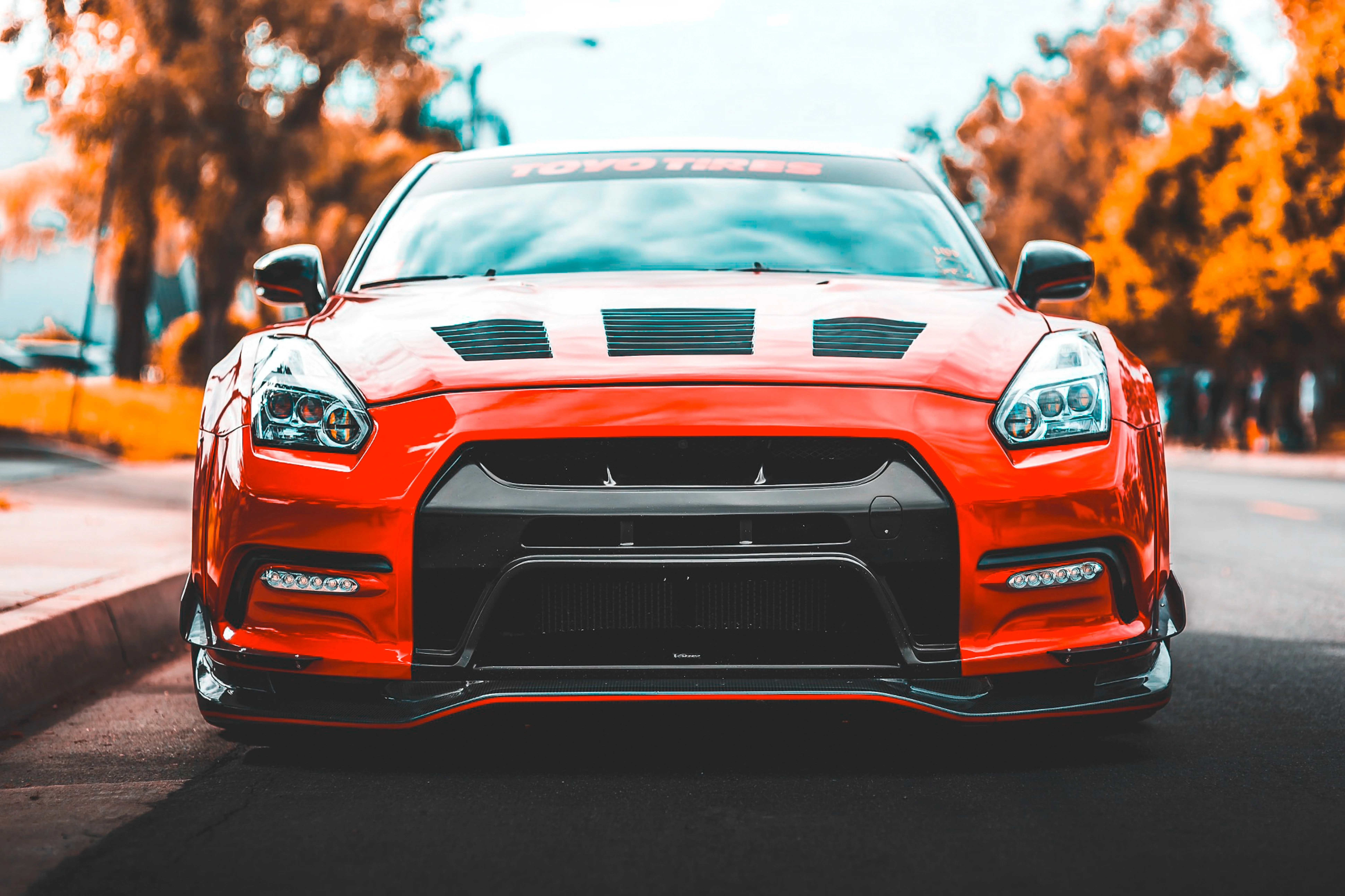
The Future is Now: AI Car Design
The automotive industry is on the cusp of a design revolution thanks to recent advances in artificial intelligence. AI is enabling car manufacturers and aftermarket tuners to conceptualize and render striking new vehicles at a pace never before possible. This technology will shape the future of car design in profound ways.
Rather than relying solely on the creative vision of human designers, AI algorithms can ingest millions of images and identify novel styles and forms. The AI rapidly generates hundreds of unique concept sketches, unconstrained by traditional design tropes. Engineers and designers then select the most promising designs to refine. This artificial intelligence ideation vastly expands the creative possibilities compared to manual work.
AI also excel at adding realistic details and textures to basic sketches and 3D models. The algorithms add nuanced shadows, reflections, and material textures much faster than human artists. This facilitates rapid iteration to explore more creative directions. AI rendering realism plays to the strengths of machines over people for rote tasks.
The benefits extend across the design process. AI can tweak specific parameters like vehicle stance, spoiler angles, wheel designs, and more to optimize aesthetics and performance. Designers can focus on big picture creative direction while AI handles finicky details. The human designer's intent gets translated into gorgeous concepts.
Forward-thinking automakers like BMW are already utilizing AI for parts of the design process. Smaller tuning companies are also eager to leverage AI's potential. A system trained on tuning cultures from across the globe could suggest creative modifications tailored to different regional tastes. The possibilities are vast.